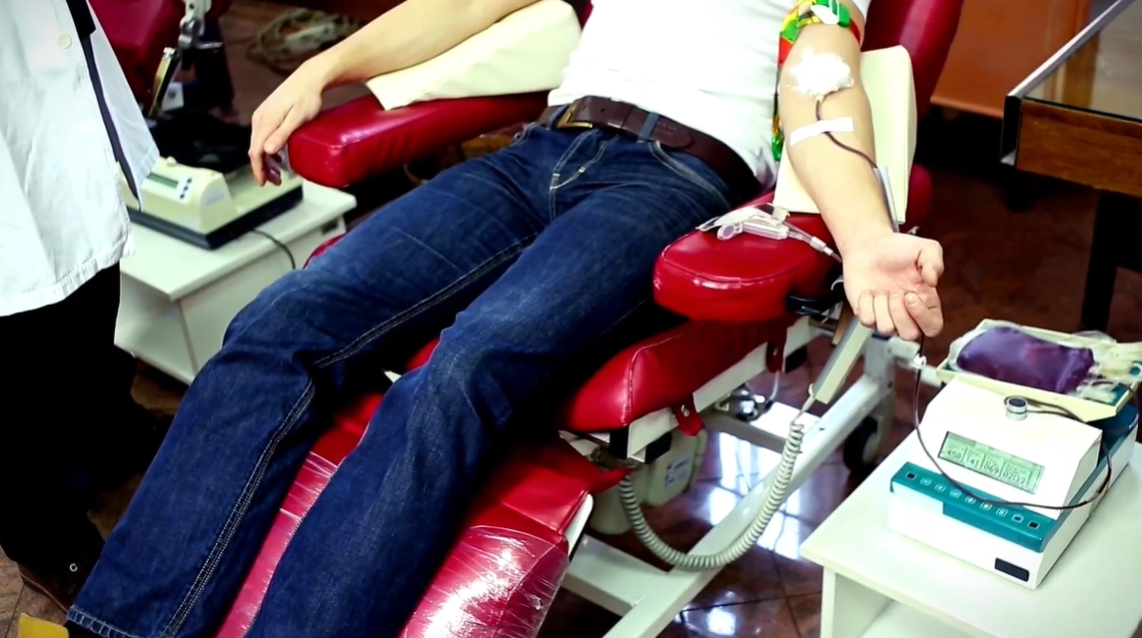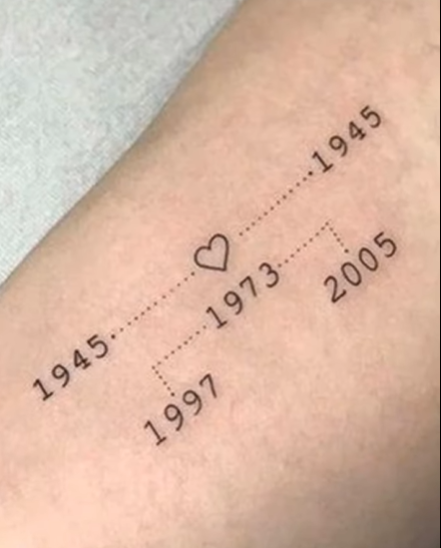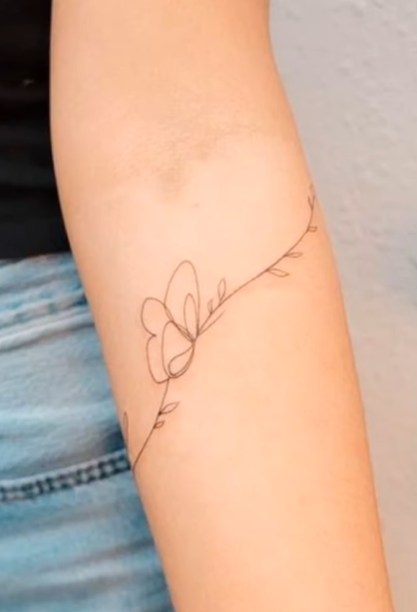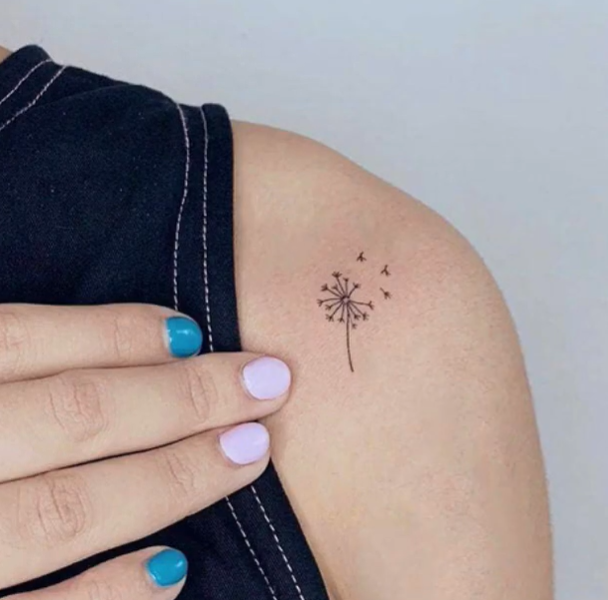

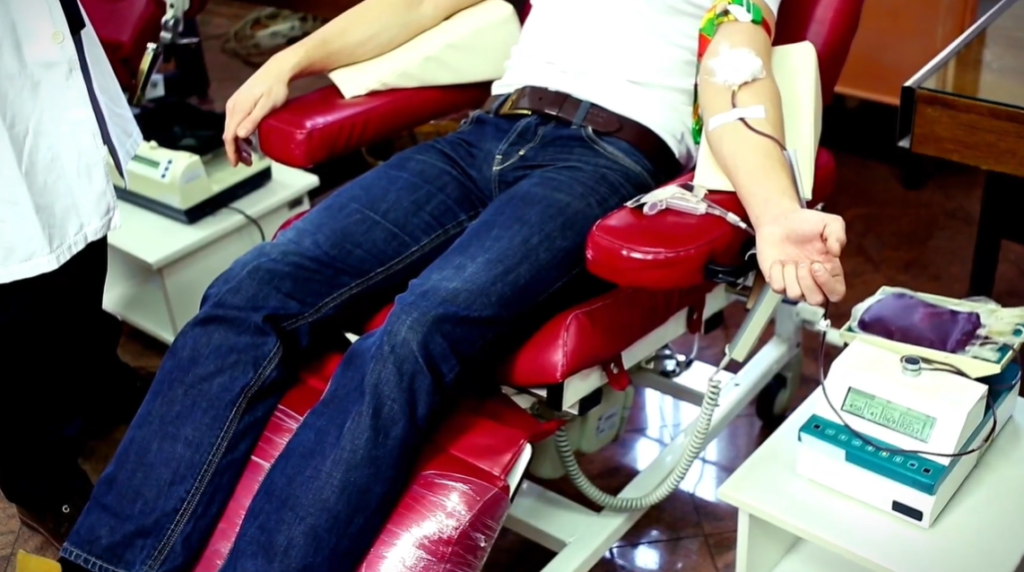
Got a fresh tattoo and want to donate blood? Here’s the straight answer: most places ask you to wait because tattooing breaks the skin, and there’s a small risk of picking up an infection that could end up in the blood supply. It’s not about the tattoo itself—it’s about keeping the people who need transfusions safe.
Think of this as the kind of rundown you’d get in the studio before you sit down: the rules, the medical reasons, common myths, and what to do if you want to give blood after getting inked. We’ll cover what “safe” studios look like, wait times, and how to plan ahead.
How tattoos affect blood donation rules

Tattoos can put you on temporary hold because of infection risk from needles and skin breaks. The key factors are:
Where you got the tattoo (licensed studio vs. sketchy setup)
How recently (fresh vs. fully healed)
Any issues after (redness, swelling, fever)
Current guidelines for tattooed donors
If your tattoo came from a licensed, regulated studio (state‑inspected, follows sterile protocols), most blood centers like the American Red Cross let you donate right away once it’s healed. No deferral.
Unlicensed places (house parties, festivals, pop‑ups without clear licensing) usually mean a 3‑month wait. That covers the time for infections like hepatitis B/C to show up on tests.
Check your local blood bank—rules can vary by country or even region, but it always boils down to sterile practices.
The medical reasons (it’s about safety, not judgment)
Risk of bloodborne infections
Tattoo needles go deep into the skin, and if anything’s contaminated (needles, ink, surfaces), bloodborne stuff like hep B, hep C, or HIV can get in your system. These can sit quiet for weeks/months before tests catch them—that’s the “window period” where blood could test clean but still carry risk.
Blood goes to people with weak immune systems, so centers play it safe with waits. Regulated studios using single‑use needles, fresh gloves, and disinfected everything drop that risk way down.
Hepatitis and tattooing specifically
Hep B and C hit the liver and spread through blood contact. A dirty needle or reused ink is how it happens. They can be symptom‑free for months, so the 3‑month deferral gives tests time to work.
Why sterile studios make a difference
Good studios:
Single‑use, sealed needles
Disposable ink cups/gloves
Disinfected stations
Visible health inspections
Even then, accidents happen, but the risk is tiny. Keep your receipt or artist’s license info—it proves low risk when you donate.
Common myths about tattoos and donating
Myth: Tattoos mean a permanent ban.
Nope. Licensed studio = usually no wait. It’s temporary deferral for safety, not a lifetime thing.
Myth: Tattoo location matters (arm vs. back).
Doesn’t change the rules—what matters is the studio, not where on you.
Myth: All tattoos are equal risk.
Big difference between a pro shop and a basement setup. Licensed = sterile = safer.
What to do if you have a recent tattoo
Steps before you go donate
Check the date—3 months from unregulated tattoo?
Verify the studio—licensed? Sterile single‑use needles?
Look at healing—no redness/swelling/drainage?
Bring proof—receipt, license, artist contact if possible.
Be honest on the form—recent ink, travel, meds, symptoms.
If it’s still healing or you’re on antibiotics, wait till you’re clear.
When to see a doctor
Any ongoing redness, pus, fever after tattoo? Get it checked. Wait till treatment’s done and symptoms gone before donating. Written clearance helps if there’s history. Call your blood center for their exact policy.
Alternatives if you want to help now
Can’t donate yet? You can still pitch in:
Plasma donation (some centers have shorter tattoo waits)
Platelets (check local rules)
Organ/bone marrow registry
Monetary donations or volunteering at drives
What’s changing in the future
Rules are tightening on studios—more inspections, single‑use everything mandatory, better tracking. That’ll shorten waits.
Blood centers might move to risk‑based (licensed = immediate) over blanket times, or add rapid tests to cut window periods. Pilots are happening—watch your local bank for updates.