
Getting a tattoo will never be completely painless, but it doesn’t have to be an ordeal. With the right preparation, mindset, and aftercare, you can make the whole experience much more comfortable. This guide is for both first‑time clients and people who’ve been tattooed before who want straightforward, safe ways to take the edge off tattoo pain before, during, and after their session.
Why Do Tattoos Hurt?
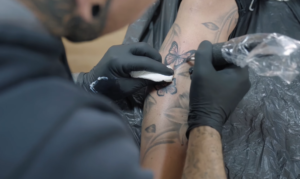
When you get tattooed, your artist is using a cluster of tiny needles to push ink into the dermis – the layer of skin just under the surface. Every pass of the needle hits your nerve endings and creates lots of tiny little injuries, and your brain naturally reads that as pain.
Spots where the skin is thinner, bonier, or packed with nerve endings usually feel sharper than areas with more muscle and fat. That’s why two people can sit for the same tattoo and rate the pain completely differently – what feels like a 3/10 to one person can easily be a 6/10 to someone else.
How stressed or anxious you are
Whether your blood sugar is stable
How hydrated and healthy your skin is
How long the session lasts and how the artist works
Where on your body you’re getting tattooed
Once you understand what actually affects tattoo pain, it becomes a lot easier to manage – and a lot less scary.
Before Your Tattoo Session: How to Prepare
1. Get Proper Rest and Eat Well
Aim for a full night’s sleep before your appointment and eat a balanced meal 2–3 hours beforehand. Low blood sugar can increase pain sensitivity and raise the risk of dizziness or fainting, especially during long sessions.
Clients who are well-rested and well-fed almost always sit better and report less intense pain overall.
2. Stay Hydrated in the Days Before
Drink plenty of water in the days leading up to your tattoo. Well-hydrated skin tends to be more elastic, takes ink better, and is less prone to irritation.
Dehydration, on the other hand, can make your skin feel tight, dry, and more sensitive to the needle.
3. Avoid Blood Thinners (Safely)
It is generally recommended to avoid alcohol, aspirin, and ibuprofen for at least 24 hours before your tattoo. These substances can thin the blood, which may increase bleeding and make tattooing more uncomfortable for you and more difficult for your artist.
If you need pain relief beforehand, acetaminophen (Tylenol) is often considered a safer option because it does not thin the blood. Always follow the label directions and consult a medical professional if you have any conditions or concerns.
If you are on prescription blood thinners or take daily aspirin under medical advice, never stop them without speaking to your doctor first.
4. Prepare Your Skin
Start taking care of the skin in the area to be tattooed about one to two weeks before your appointment:
Gently exfoliate once or twice a week.
Moisturize the area regularly.
Smooth, healthy skin allows the needle to work more efficiently and can reduce irritation and discomfort. Avoid sunburn, cuts, or abrasions on the area as these can delay your appointment or make tattooing more painful.
5. Choose Placement Wisely
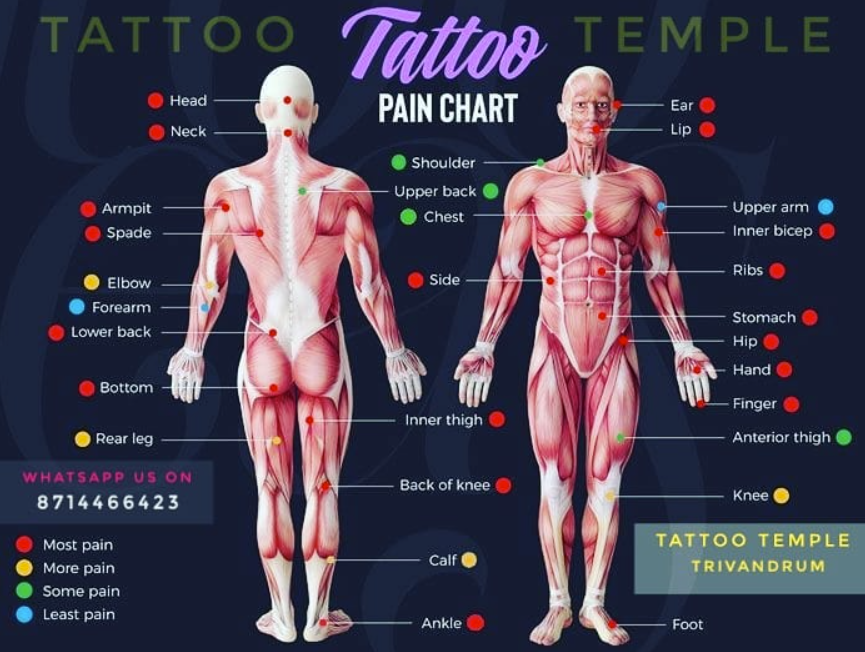
If pain tolerance is a concern, consider choosing an area of the body that is generally less sensitive, such as:
Outer upper arm
Shoulder
Calf
Outer thigh
Areas that are typically more painful include:
Ribs and sternum
Feet and ankles
Spine
Inner thighs
Hands and fingers
If this is your first tattoo and you’re worried about pain, starting with a less sensitive area can make the experience much more manageable.
6. Who Should Talk to a Doctor First?
You should speak with a healthcare professional before getting tattooed if you:
Have a bleeding or clotting disorder
Take prescription blood thinners
Have heart conditions or certain chronic illnesses
Have a weakened immune system
Are pregnant or breastfeeding
Have severe skin conditions in the area you want tattooed
Always be honest with your tattoo artist about your health history—they are there to help you have a safe, successful session.
Tattoo Pain by Body Area (General Scale)
Everyone’s pain tolerance is different, but the following general scale can help you set realistic expectations for how much certain placements might hurt:
Outer arm: 2–3 / 10
Calf: 3–4 / 10
Shoulder: 3–4 / 10
Thigh: 4–5 / 10
Ribs: 8–9 / 10
Feet & ankles: 9–10 / 10
In general, bony areas with thin skin and many nerve endings (like ribs, feet, ankles, and spine) tend to hurt the most. Fleshier areas with more muscle and fat usually feel less intense.
During Your Tattoo Session: Pain Management Strategies
1. Breathe Deeply and Stay Relaxed
Your breathing pattern has a direct impact on how your body processes pain. Try a simple technique during your tattoo:
Inhale slowly for 4 seconds
Exhale gently for 6 seconds
Slow, controlled breathing helps regulate your nervous system, reduces muscle tension, and keeps you from unconsciously tensing up against the needle.
2. Use Distraction Techniques
Keeping your mind occupied can significantly change how you experience pain. Consider:
Listening to music or a podcast
Watching a show or videos on your phone (if the position allows)
Having light conversation with your artist (if they’re open to chatting)
The goal is not to ignore the pain completely, but to prevent your focus from fixating on it.
3. Keep Your Energy Up
For longer sessions, bring water and light snacks such as fruit, nuts, or candy. Maintaining steady blood sugar and hydration helps you avoid fatigue, shakiness, and the feeling that pain is getting worse simply because you’re worn out.
4. Communicate with Your Artist
Your tattoo artist is your partner in this process. If you:
Feel suddenly overwhelmed
Start to feel faint or nauseous
Notice the pain escalating beyond what you can handle
let your artist know right away. Short, strategic breaks can reset your body, calm your nerves, and make the rest of the session more bearable.
5. Consider Numbing Creams (With Approval)
Topical numbing creams can reduce tattoo pain in some cases, especially for longer or more sensitive placements, but they are not a magic fix and should never be used without your artist’s approval.
Potential issues include:
Changing the skin’s texture temporarily
Affecting how well the ink takes
Causing irritation or allergic reactions if misused
If you are interested in using a numbing product, talk to your artist in advance. They may recommend specific brands, application methods, or alternatives based on their experience.
Aftercare: Reducing Pain After the Session
Proper aftercare is essential for minimizing discomfort and helping your tattoo heal well.
General aftercare principles include:
Following the cleaning and bandage instructions your artist provides
Keeping the area clean and lightly moisturized as directed
Avoiding tight clothing or anything that rubs directly on the fresh tattoo
Mild soreness, tenderness, and a warm feeling in the area are normal in the first days. You can usually manage this with rest, good hygiene, and, if appropriate for you, an over-the-counter pain reliever like acetaminophen.
Avoid:
Soaking your tattoo in pools, hot tubs, or baths during the initial healing period
Direct sun exposure on the fresh tattoo
Scratching, picking, or peeling any scabs or flaking skin
Heavy exercise or movements that cause excessive friction over the area in the first few days
If you notice severe pain, intense redness, excessive swelling, discharge, or any signs of infection, contact a medical professional promptly.
Final Thoughts
Tattoo pain is real, but it’s also manageable. By preparing your body, choosing a placement that fits your pain tolerance, using simple coping techniques during the session, and following proper aftercare, you can make your tattoo experience far more comfortable.
Most importantly, communicate openly with your tattoo artist. They have guided many clients through the same process and can offer personalized advice based on your design, placement, and comfort level.