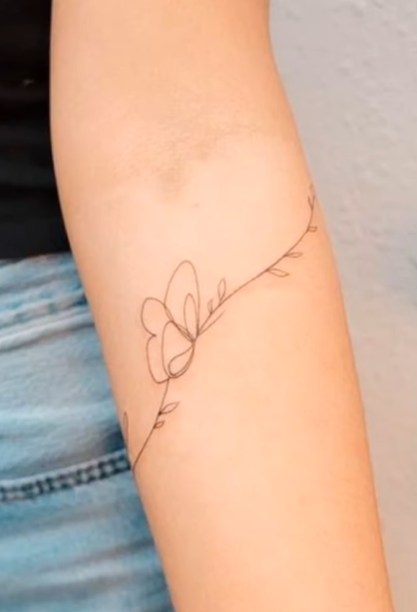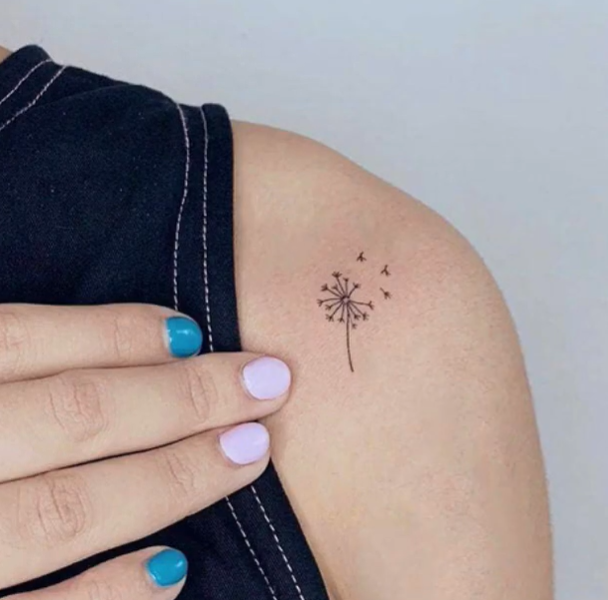

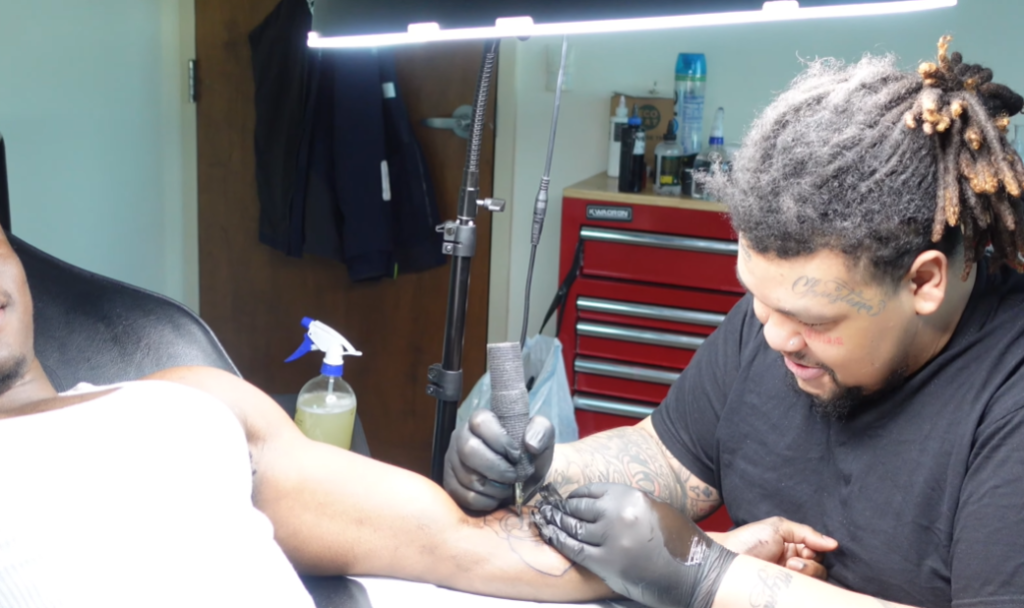
Let’s be honest: your first tattoo is going to sting a bit. But for most people, it’s nowhere near as bad as they’ve built it up to be in their head. Instead of “unbearable pain,” it usually feels more like scratching, stinging, or a mild burning feeling that comes and goes as the machine moves.
Everyone sits a little differently, but once you know what to expect, the nerves calm down a lot—and that alone makes the whole thing easier to handle.
So… what does a tattoo actually feel like?
Most first‑timers describe it as a mix of:
Sharp little scratches
Light stinging
A warm, burning or “hot” feeling on the skin
A lot of people compare it to a sunburn that’s being poked or scratched over and over, or like a cat constantly dragging its claws across the same spot. Some say it feels like a hot needle gently dragging across the skin rather than something digging deep.
Usually, the first few minutes feel the sharpest. After that, your body stars to adjust, and it turns into more of a steady, buzzing irritation than a shock every time the needle hits.
Is it as bad as you’re imagining?
For most people, no. The fear beforehand is usually worse than the actual pain.
Once the machine starts and you settle in, your body kicks out a bit of adrenaline. That natural rush helps dull the pain signals and takes the edge off. After about 10–15 minutes, a lot of people say, “Oh… that’s it? I thought it’d be worse.”
The sensation tends to shift from “sharp and new” to “annoying but manageable.” You’re aware of it, but it’s not overwhelming.
How the pain changes during the tattoo
Outlining (line work)
During line work, the needle is moving in more defined, deliberate strokes. This part usually feels:
Sharper
More scratchy
A bit like a pen with a hot tip being dragged on your skin
Most people notice the outline the most, especially on bonier or sensitive spots. It’s not unusual to think, “Whoa, okay, that’s what it feels like” during those first lines, then slowly adjust as the session goes on.
Shading and coloring
Once shading and color start, the feeling tends to change. Instead of those sharper, single lines, the machine usually moves in softer, more repetitive motions. A lot of clients describe this stage as:
A duller burning sensation
A deeper, buzzing “scratch”
Similar to a rough brush going over a sunburn
For many people, shading is actually easier to sit through than the line work. It’s still not comfortable, but it’s less “spiky” and more of a steady, warm ache.
Tattoo pain by placement
Where you get tattooed makes a big difference in how it feels.
Spots that usually hurt more (bony or thin skin)
These areas tend to feel sharper and more intense because there’s not much cushioning between the needle and the bone:
Ribs
Ankles
Knees
Spine
Wrists
On these spots, people often describe the pain as more “zingy” and electric, especially right over the bone.
Spots that usually hurt less (more flesh, more muscle)
These are the “beginner‑friendly” areas a lot of first‑timers choose:
Forearms
Upper arms
Shoulders
Thighs
Here, the pain usually feels like a strong scratching or a warm, irritating sensation—still there, but much more manageable. That’s why these placements are often recommended for your first tattoo.
What adrenaline does for you
As the session goes on, your body isn’t just sitting there taking hits; it’s responding. Adrenaline kicks in and helps blur those sharper sensations into more of a dull buzz or vibration.
That’s one reason longer sessions are often more tolerable than people expect. You settle into a rhythm, your breathing evens out, and your body does some of the pain‑management work for you.
The emotional side of your first tattoo
Before the needle touches your skin, it’s completely normal to feel nervous. Your brain is trying to fill in the blanks with worst‑case scenarios.
Once we actually start, something shifts. A lot of people:
Go from anxious to focused
Zone out to the sound and rhythm of the machine
Drop into a kind of “meditative” or very present state
By the time we’re wiping off the last bit of ink and showing you the finished piece, excitement usually wins over any leftover discomfort. Seeing that design on your skin for the first time is the part most people remember—not the sting.
How it feels after the tattoo

Right after we finish, your tattooed area is going to feel:
Warm
Tender
Slightly swollen
Think fresh sunburn—that’s the closest comparison. Over the next few days, you can expect:
Redness and a bit of swelling
Tightness as the skin starts to heal
Itching once it begins to peel
Mild soreness or a pulsing/throbbing feeling at times
It’s tempting, but don’t scratch or pick at scabs or peeling skin. That can damage the tattoo and affect how it heals and looks in the long run.
Everyone’s experience is a little different
Pain tolerance isn’t the same for everyone, and a lot of things change how a tattoo feels:
Your personal pain threshold
Where the tattoo is placed
How big it is
How long you’re sitting
Something that feels like a 3/10 to one person might feel like a 6/10 to someone else. That’s completely normal.
Final thoughts
Your first tattoo won’t be painless—but for most people, it’s much more manageable than they imagined. The discomfort is temporary; the artwork stays.
For a lot of first‑timers, the hardest part is actually walking through the door and sitting in the chair. Once you’re there, breathing, talking, and seeing the piece come to life, the fear usually fades and the whole thing becomes part of the story you’ll remember every time you look at your tattoo.