
Getting a family tattoo is one of those ideas that carries a lot of weight. It’s not just ink—it’s a way to carry your people, your stories, and your history on your skin every day. The key is narrowing down what your family actually means to you—maybe it’s heritage, a specific person, a shared value—and turning that into one clear, simple symbol or motif that still makes sense years from now.
Think of this as the conversation you’d have in the studio chair: digging into your family history, finding the right symbols, picking a style that fits your life, and making sure it ages well on your body. We’ll talk about getting input from loved ones, finding the right artist, placement, and prep so you end up with something that feels deeply personal without getting overwhelmed.
Understanding Your Heritage
Before we even think about designs, let’s get specific about your family. Names, places, stories—the concrete stuff is what makes a tattoo feel real, not just sentimental.
Recommended Products

183PCS Different Styles Tattoos Stencil: Our temporary tattoo stencils forkids comes with 183 temporary tattoo stencils painting set design such as flowers, cats, hearts, skulls, dinosaurs, fruits, deer, scorpions, Hannah, unicorns, whales, cars, rainbows, telescopes, ships, too fast, astronauts, pirates, letters, stars and more Style in 12 sheets A5 size. Perfect for festivals, parties, or daily fashion.

【 575+ Fun Assorted Tattoo Stencils 】-The ChurlChurl tattoo stencils collection includes 575 high quality stencils with multiple themes. enjoy cute trendy tattoo stencil designs like butterflies, words, flowers, symbols, totem, Egypt style patterns and more.

▶ Henna Tattoo Kit: 16 sheets tattoo stencils. airbrush tattoo stencils suitable for tattoo lovers. Experience the effects of tattooing without the pain of tattooing.
Exploring family history and traditions
Start by making a quick list:
Exact family names
Birthplaces or migration paths
Jobs or skills that run in the family
Pick one or two threads that keep showing up. Was there a great‑grandparent who sailed from Sicily? A line of midwives or farmers? A surname with a story behind it? Those are the kinds of details that translate into strong imagery.
Talk to relatives, record what they say—dates, nicknames, favorite objects. Grab old photos, letters, heirlooms. A ship, a loom, a farm tool… those tangible things make great starting points for a design. Even something like a holiday recipe can become a little script line or ingredient tucked into a branch.
Recommended Products

[Semi-Permanent, Realistic Tattoos] INKARTLINK semi-permanent tattoos are lifelike, durable, waterproof, and sweat-resistant, lasting 7–14 days and gradually fading as the skin’s outer layer sheds. They’re perfect for everyday wear, events, or themed occasions. From the beach to the office, they stay vibrant, allowing you to effortlessly showcase your body art in any setting.

Ryukyu Island history features women's hand tattoos from Okinawa, Japan called Hajichi. Historic body art indigenous to Uchinajin is showing many regional symbol styles on a circular shirt design.

[Semi-Permanent, Realistic Tattoos] INKARTLINK semi-permanent tattoos are lifelike, durable, waterproof, and sweat-resistant, lasting 7–14 days and gradually fading as the skin’s outer layer sheds. They’re perfect for everyday wear, events, or themed occasions. From the beach to the office, they stay vibrant, allowing you to effortlessly showcase your body art in any setting.
Finding symbols from your ancestors
Look for things that show up again and again in your family’s history:
Crests or family emblems
Religious icons or patterns
Tools from a family trade
The best symbols are the ones your family would instantly recognize. Skip made‑up stuff with no personal tie. Match the complexity to where you’re tattooing—a small wrist piece can handle one clean motif like a rose or tool; a larger back or chest piece can layer in a crest with dates or a map snippet.
Think about colors too—maybe ones from family textiles or regional palettes. And double‑check the meaning with relatives or a quick search so you’re not missing something important. If a symbol has layers of meaning, pairing it with something straightforward helps make your intent clear.
Recommended Products
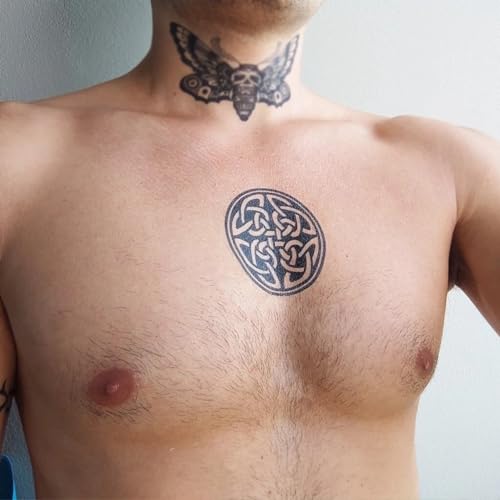
Intricate Celtic knot is famous symbol extensively used throughout history in celtic culture & art

【Creative Pattern Design】CUTELIILI celtic viking tattoos using Norse and Viking style patterns are very individual, you can choose different patterns to meet different interests and needs.

Celtic Irish Art design. This intricate Celtic knot heart tattoo design symbolizes home, family and connection. Great gift for Irish, Scottish or Gaelic roots, yoga lovers, or anyone who loves Celtic culture, meditation, and ancient tribal symbols.
Cultural significance in tattoos
Every culture has its own tattoo language, and some come with rules. If your heritage has traditional designs, spend a minute learning if they’re sacred, restricted, or need a specific style to be authentic. Respecting that keeps things right and avoids any issues.
Look into styles like Polynesian linework, Japanese irezumi, Celtic knots, or indigenous patterns. Find an artist who knows the tradition—not just anyone who can “draw it.” Combining your family story with the right cultural technique keeps it authentic without copying something sacred outright.
Recommended Products

【Large American Traditional Black Tattoo Stickers】Tazimi original 12 sheets of super large classic black adult temporary tattoo stickers, old-fashioned traditional tattoo stickers are designed for adults. These retro traditional American elemental tattoos are creatively designed by our artists and are 4.72*9.06 inches in size. These waterproof fake tattoos look very realistic, artistic, eye-catching, and make you shine like a star. Enjoy expressing yourself with these American old tattoos!

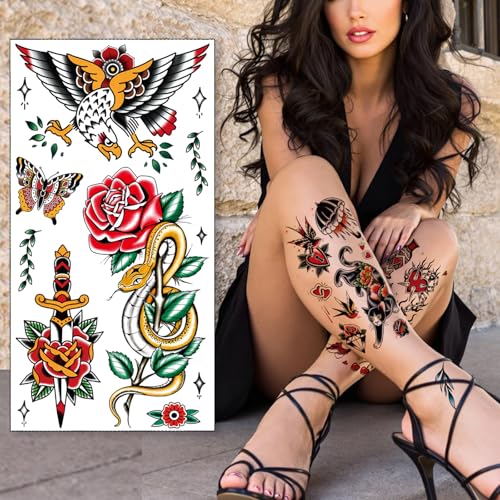
【Large American Traditional Colored Tattoo Stickers】Tazimi original 12 super large classic temporary tattoo stickers, old-fashioned traditional tattoo stickers are designed for adults. These colorful traditional American floral animal tattoos are creatively designed by our artists and are 4.72*9.06 inches in size. These traditional retro tattoos look very artistic, eye-catching, and gorgeous, making you shine like a star. Enjoy the fun of expressing yourself with these colorful tattoos!
Discovering Meaningful Tattoo Ideas
Now that you’ve got some family details, let’s turn them into ink. Look for images, words, or symbols that connect directly to real memories or people.
Recommended Products

Product Kits: You will receive 12 A4 sheets featuring 142 unique henna tattoo stencils patterns including butterflies, flowers, words, symbols, totems and egyptian designs. Our versatile temporary tattoos adult with stencils collection offers something for every taste with its wide variety of artistic models.

VARIETY OF OPTIONS - This set of temporary tattoo stencil includes 262 different theme patterns. butterfly, mermaid, flower,pirate,animal,shark,crown, dinosaur etc daily kid’s favorite design, also have like as pumpkin, spider, bat, skull, snowflake, etc Halloween, Christmas festive Style in 14 pages A4 size.

⯁ 400+ Reusable Henna Stencils: Get 24 sheets of high-quality, self-adhesive hollow templates featuring over 400 unique patterns. These temporary tattoo stencils allow you to create stunning body art including mandalas, butterflies, and dragons. Perfect for practicing techniques without permanence
Personal stories and shared experiences
Jot down specific memories:
That summer at the coast
Grandma’s recipe everyone still makes
A road trip or family nickname
Pick the ones with the strongest pull. A lighthouse for the coastal town you grew up in, rosemary for the family dish, handwriting from an old letter for a name or phrase. Ask relatives for photos, stamps, or notes so we can pull authentic details into the design.
You can go:
One bigger piece for the whole family story
Or smaller matching tattoos (initials, coordinates, simple icons)
Layered elements—dates, symbols, tiny portraits—let a single piece tell a lot if you want to keep it contained.
Symbolic elements for family ties
Go for symbols with your family’s specific meaning, not generic ones. A bird from your ancestral region, a regional flower, a clan emblem, or a tool from the family trade.
If it’s from a culture, research the meaning and work with an artist who gets the style. Correct spelling, proportions, and context matter. Small, simple symbols age better for matching pieces; detailed crests or trees need space and skill to stay sharp.
Choosing designs that reflect your roots
Rank your elements by importance and map them out. Put the most meaningful thing front and center, use the rest as accents.
Bring photos, handwriting samples, heirloom details, crest sketches. We’ll do a few layout options: a single focal image, clustered icons, or a band style. Test with stencils or transfers—wear it for a few days to see how it sits with your clothes and movement. Adjust if fine lines blur or it feels off from certain angles.
Selecting the Right Tattoo Style
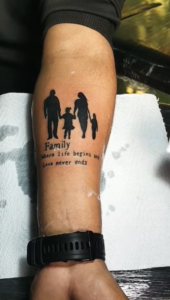
Do you want bold, classic lines that last forever or something more delicate and modern? Match the style to your family motifs and how you live.
Recommended Products

High quality fashionable temporary tattoo, which looks like real

Ryukyu Island history features women's hand tattoos from Okinawa, Japan called Hajichi. Historic body art indigenous to Uchinajin is showing many regional symbol styles on a circular shirt design.
Traditional vs. modern family tattoos
Traditional (American/old school): Thick outlines, solid colors, simple shapes. Names, anchors, hearts—stuff that stays clear from far away and barely needs touch‑ups. Great if you want something that’ll look good for decades.
Modern styles:
Realism for portraits or objects (needs a top artist, can blur long term)
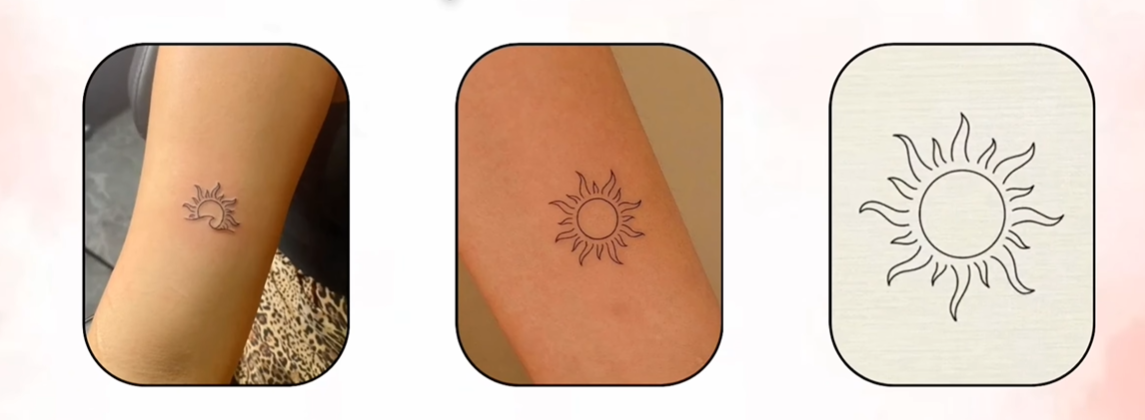
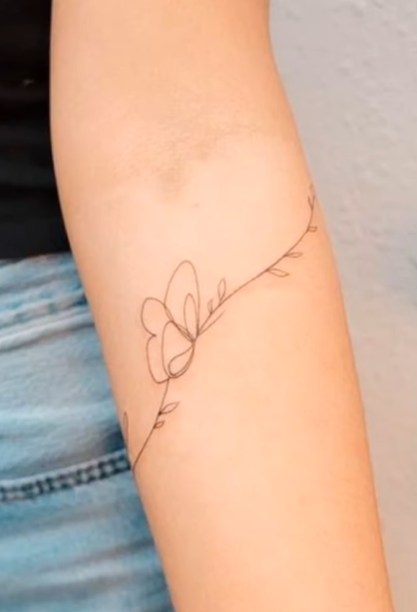
Fine‑line/minimalist for small, intimate pieces (initials, trees, coordinates—good aftercare keeps them crisp)
Watercolor or geometric for softer, artistic vibes
High‑motion areas like forearms like bolder lines; calmer skin like ribs can handle more detail.
Incorporating cultural art styles
If you’re honoring heritage, name the specific tradition—Celtic knots, Maori koru, Japanese kamon, African Adinkra. Research meanings first, then find an artist with real experience in that style.
Ask about their process: do they consult sources or elders? See references from clients who’ve done similar work. If they’re vague about cultural details, keep looking. We’ll adapt motifs respectfully, maybe blending with modern touches so it’s authentic but yours.
Involving Loved Ones in the Decision
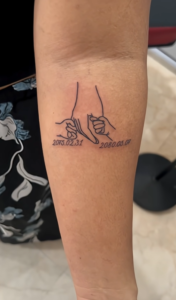
Family tattoos are rarely solo decisions. Get the right people involved early so everyone feels good about it.
Recommended Products

𝗘𝘅𝗽𝗿𝗲𝘀𝘀 𝗬𝗼𝘂𝗿 𝗦𝘁𝘆𝗹𝗲 𝘄𝗶𝘁𝗵 𝗠𝗲𝗮𝗻𝗶𝗻𝗴: Each design carries powerful symbolism-angel wings for freedom and protection, wolf for courage and loyalty, Celtic knots for eternity, and rattlesnake for strength. Ultra-realistic look lets you express your identity like a real tattoo


Unique Design Viking Temporary Tattoo: Yazhiji Vikings were not only super cool, but also a symbol of strength, passion, and determination, reflecting strength, bravery and courage, the image of the Viking attracts the attention of history buffs and body art enthusiasts alike.
Gathering family input
Ask targeted questions:
Who, what dates, symbols, colors matter most—and why?
Who wants to be included visually vs. initials/symbols?
Collect references in one spot: photos, heirlooms, handwriting, quotes. Set boundaries—who’s in or out—and agree on practical stuff like size, placement, budget to keep things focused.
Collaborative design sessions
Set up one solid meeting (60–90 minutes) with key people. Share the reference folder, have someone take notes.
Quick exercise: everyone picks one core symbol, one style preference, one color vibe. Look for overlaps. Bring in an artist for live sketches—3 variations of your top ideas to vote on.
End with a clear decision rule: majority, consensus, or one person calls it. Confirm placement/size one last time and save the final design file for the artist.
Choosing Placement and Size
Pick a spot that matches the design’s scale and how often you want to see it. Think aging, visibility, clothes.
Recommended Products
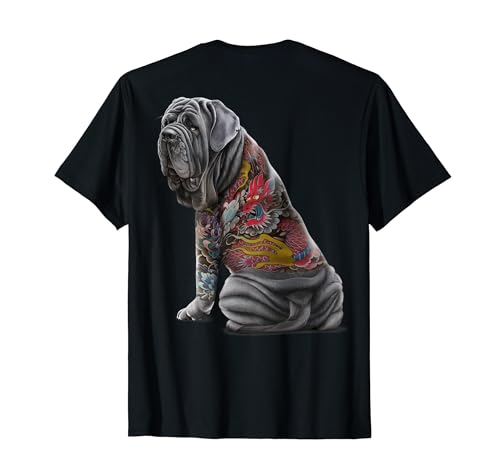
Our design features a stern Neapolitan Mastiff dog with a traditional Japanese dragon tattoo (Irezumi), symbolizing protection for families and homes. Embrace the positive ancient meaning of happiness, freedom, and good luck.
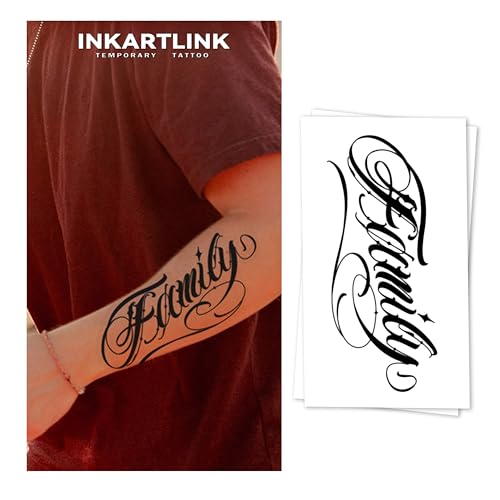
Realistic Finish: Different from you know ordinary temporary tattoo stickers or fake tattoos. It is so real and comparable to the real tattoo. It is a semi-permanent technology, Water-Resistant, friction-resistant, and can last for a long time, staying on your skin for 1-2 weeks.

Quantity: 10 Pieces individual best friends tattoos. More than 40 cute designs, each design contains at least 2 copies or 2 matching designs as a set.
Popular spots for family tattoos
Wrist/forearm: Small names, initials, symbols—daily visibility, faster fading on wrist (plan touch‑ups)
Chest/heart: Strong symbolism for ancestry—room for crests or trees, slower healing near bone
Upper arm/shoulder: Medium/large pieces, easy to cover with sleeves, curves nicely
Ribcage/back: Large detailed work like family trees—less visible, more pain and aftercare
Deciding on visibility
Daily view? Forearm, wrist, lower leg. Private keepsake? Ribs, back, thigh. Job needs conservative? Coverable spots.
Match size to spot—small script needs space to stay legible on stretchy areas like fingers. Leave room for future names/dates if your family grows.
Aftercare requirements
Follow written instructions. Typical:
Bandage time per artist
Wash 2x daily, mild soap, pat dry
Thin ointment first days, then light lotion
No soaking 2 weeks. Sun protection SPF 30+ after healed. Watch infection: redness, swelling, pus—call artist/doctor.
Healing checklist:
Days 1–3: bandage off, wash 2x, ointment
Days 4–14: scabs/peel, moisturize, no picking
Weeks 3–6: normal wash, sun protection
Recommended Products

390 PCS Different Styles Tattoos Stencil: Our temporary tattoo stencils sheet comes with 390 different design such as flowers, cats, hearts, skulls, dinosaurs, fruits, deer, scorpions, Hannah, unicorns, whales, cars, rainbows, telescopes, ships, too fast, astronauts, pirates, letters, stars and more Style in 28 sheets A5 size. Perfect for festivals, parties, or daily fashion.

【 761+ Fun Assorted Tattoo Stencils 】-The ChurlChurl tattoo stencils collection includes 761 high quality stencils with multiple themes. enjoy cute trendy tattoo stencil designs like butterflies, words, flowers, symbols, totem, Egypt style patterns and more.

[Tattoos Stencils Kit]: 20 sheets (3.74’’*7.28’’ each) total 210pcs more mixed-size pattern stencil tattoos. Which featuring floral, butterflies,moons,tribal motifs,elephants and more patterns designs,enough quantity and different pattern for you create your tattoos style.
Commemorating Your Heritage Through Ink
Family tattoos are about carrying your roots forward. Pick stories and symbols that feel essential—literal like crests or abstract like colors/patterns.
Work with an artist who respects the meaning. Sketches and references ensure accuracy. Placement/scale show how central it is: small/discreet for intimate, large for statement.
Blend tradition with your journey—family name + modern twist. Research sacred symbols, consult family/community.
Quick checklist:
Pinpoint core symbols/stories
Research meanings/permissions
Placement matches importance
Collaborate with skilled artist